
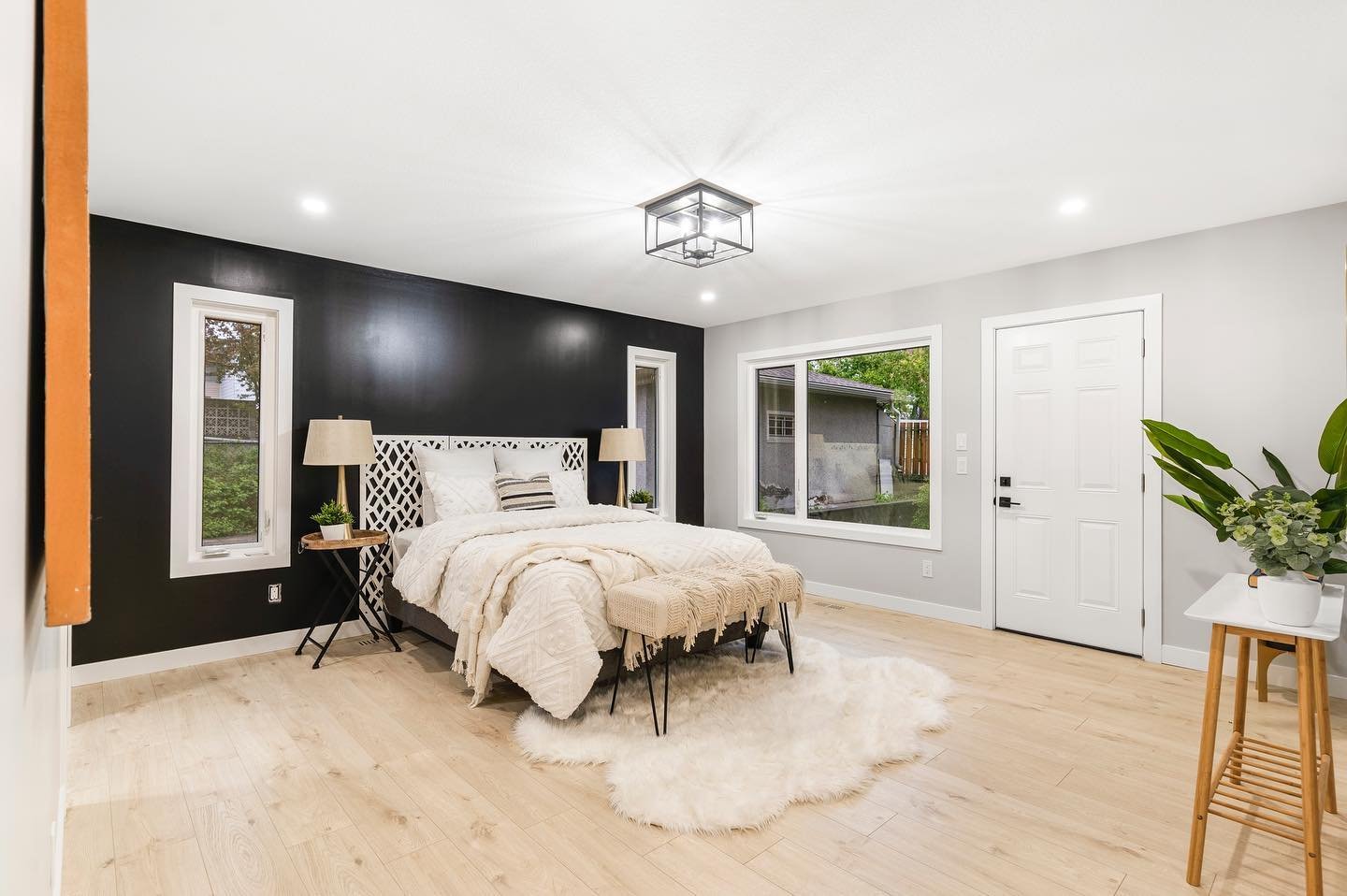
The living room is often the heart of a home, making it one of the first spaces buyers notice during a showing. A beautifully staged living room helps buyers picture themselves relaxing, entertaining guests, and creating lasting memories. The goal is to create a space that feels inviting, spacious, and stylish while allowing potential buyers to imagine adding their own personal touch. Follow these six essential living room staging rules to make a lasting impression.
1. Create a Functional Furniture Layout
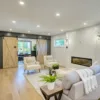
A well-planned furniture arrangement can dramatically change how a living room looks and feels. Position furniture to encourage smooth traffic flow while defining a comfortable conversation area. Avoid overcrowding the room with unnecessary pieces, as too much furniture can make the space feel smaller. Sometimes, simply repositioning a sofa or accent chairs can make the room appear larger and more welcoming.
2. Showcase the Room’s Focal Point
Every living room should have a feature that naturally draws attention. This might be a fireplace, a large picture window, built-in shelving, or an entertainment center. Arrange furniture and décor to highlight this focal point rather than distract from it. If your home offers a beautiful outdoor view, orient seating toward the windows to emphasize that attractive feature and create an inviting atmosphere.
3. Choose Neutral Colors with Stylish Accents
Neutral color palettes appeal to the widest range of buyers because they create a clean and timeless appearance. However, neutral doesn’t have to mean boring. Introduce visual interest through textured cushions, patterned rugs, elegant throws, or tasteful decorative accessories. Small accents in complementary colors can bring warmth and personality without overwhelming the space.
4. Remove Personal Items
One of the most important home staging principles is depersonalization. Buyers should be able to imagine the home as their own, which becomes difficult when personal belongings dominate the room. Remove family photographs, personalized decorations, children’s artwork, and other sentimental items. Replace them with simple artwork, indoor plants, decorative trays, candles, or modern accessories that create a polished yet universally appealing look.
5. Decorate Using the Rule of Three
Professional home stagers often use the “Rule of Three” when styling shelves, coffee tables, and side tables. Group decorative objects in sets of three with varying heights, shapes, or textures to create a balanced and visually appealing display. This simple design technique naturally attracts the eye and gives the room a professionally styled appearance.
6. Add Purposeful Wall Décor
Empty walls can make a living room feel unfinished, while thoughtfully selected wall décor adds warmth and sophistication. Choose artwork or mirrors that complement the room’s color palette and fit the wall size appropriately. Oversized artwork can make a strong statement, while mirrors help reflect natural light and make the room feel larger. Select family-friendly, universally appealing pieces that enhance the overall design without being overly personal.
Final Thoughts
Effective living room staging goes beyond decorating—it helps buyers emotionally connect with your home. By creating an open layout, highlighting key features, using neutral colors, minimizing personal items, styling accessories thoughtfully, and incorporating attractive wall décor, you can make your living room stand out in a competitive market. Small staging improvements can have a significant impact on buyer interest and help your home sell faster.





Leave a reply