
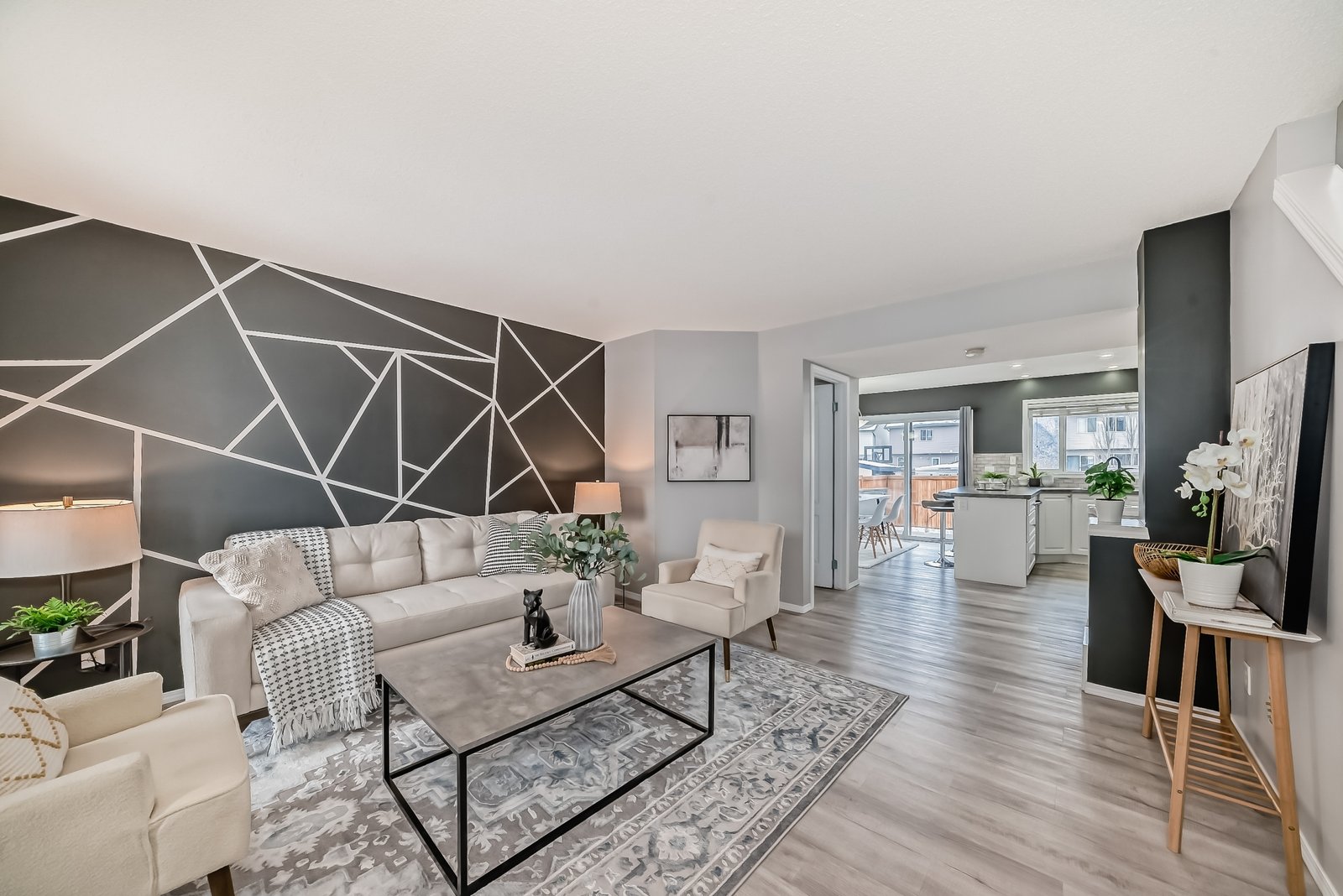
Color is one of the most powerful design elements in home staging. The right color choices can make a property feel larger, brighter, warmer, and more inviting, while poor color combinations may distract buyers and make spaces appear outdated. When preparing a home for sale, every shade and accent should work together to highlight the property’s best features rather than overpower them.
Successful home staging isn’t about following the latest color trends—it’s about creating a welcoming environment that appeals to the widest range of buyers. A balanced color palette allows potential buyers to imagine themselves living in the space while creating a positive emotional connection from the moment they walk through the door.
Why Color Matters in Home Staging
Color has a significant influence on first impressions. Buyers often make subconscious decisions within minutes of entering a home, and color plays a major role in shaping those opinions. Light, neutral shades can make rooms appear larger and brighter, while carefully selected accent colors add warmth and personality without overwhelming the space.
The goal is to create a home that feels fresh, clean, and move-in ready. By using color strategically, you can emphasize architectural features, improve natural lighting, and make each room feel more functional.
Start with a Neutral Foundation
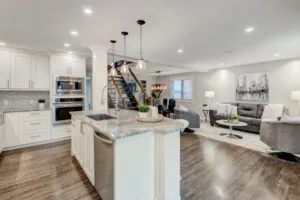
Neutral colors provide the perfect backdrop for home staging because they appeal to a broad audience. Soft whites, warm beiges, light grays, and greige tones create a timeless appearance that complements nearly every decorating style.
Using a consistent neutral color throughout the main living areas also helps the home feel more spacious and connected. Instead of drawing attention to bold wall colors, buyers focus on the room’s size, layout, flooring, windows, and architectural details.
Popular neutral color choices include:
- Soft White
- Warm Beige
- Light Gray
- Greige
- Cream
- Warm Taupe
A neutral foundation also makes it easier for buyers to imagine adding their own furniture and personal style.
1. Create a Memorable Entrance with Your Front Door
The front door is one of the first things buyers notice, making it an excellent place to introduce color. A carefully chosen door color can boost curb appeal and create a welcoming first impression.
Depending on the style of your home, consider colors such as:
- Deep Red for warmth and confidence
- Navy Blue for elegance and stability
- Forest Green for a natural appearance
- Charcoal Black for a modern luxury feel
- Soft Blue for a calming atmosphere
Choose a color that complements the home’s exterior, roof, landscaping, and neighborhood style rather than selecting a shade simply because it’s trendy.
2. Keep Interior Walls Bright and Neutral
Wall color has one of the biggest impacts on how buyers perceive a home. Bright or highly personalized colors can make it difficult for buyers to envision themselves living in the space.
Light neutral walls reflect natural light, making rooms appear larger and cleaner. Painting walls, hallways, and connecting spaces in similar shades creates visual continuity throughout the home.
Fresh paint is also one of the most affordable improvements that can significantly increase a home’s presentation.
3. Add Color Through Artwork and Decorative Accessories
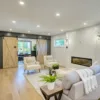
A staged home should never feel plain or lifeless. Instead of using bold paint colors, introduce personality with carefully selected accessories.
Some excellent options include:
- Colorful abstract artwork
- Decorative throw pillows
- Area rugs with subtle patterns
- Fresh flowers
- Indoor plants
- Decorative books
- Ceramic vases
- Stylish table lamps
These accents bring energy into the room while remaining easy to replace or update if needed.
4. Use Seasonal Colors Sparingly
Seasonal décor can make a home feel warm and inviting, but it should never dominate the space. Small seasonal touches such as fresh greenery, light floral arrangements, or neutral autumn decorations add charm without distracting buyers.
Avoid excessive holiday decorations, as they can make rooms appear cluttered and prevent buyers from focusing on the home’s features.
5. Coordinate Colors Throughout the Home
Consistency creates a polished appearance. Rather than using a completely different color scheme in every room, maintain a coordinated palette that flows naturally from one space to another.
This doesn’t mean every room must look identical. Instead, repeat similar tones through accessories, fabrics, artwork, and decorative accents to create harmony throughout the home.
6. Make Small Rooms Feel Larger
Color can dramatically influence the perceived size of a room. Light-colored walls, ceilings, and trim reflect more natural light, helping compact spaces feel open and airy.
Mirrors paired with light-colored décor further enhance brightness and create the illusion of additional space.
7. Don’t Forget Outdoor Living Spaces
Patios, balconies, porches, and decks should follow the same color strategy as interior spaces. Neutral outdoor furniture combined with colorful cushions, potted plants, and flowers creates an inviting extension of the home.
A well-staged outdoor space encourages buyers to imagine relaxing or entertaining outside.
Common Color Mistakes to Avoid
Even beautiful homes can lose buyer appeal when color is used incorrectly. Avoid these common staging mistakes:
- Painting rooms with very dark colors
- Using too many bold accent colors in one space
- Mixing unrelated color schemes throughout the house
- Choosing trendy colors that may quickly become outdated
- Displaying excessive colorful decorations that create visual clutter
- Ignoring natural lighting when selecting paint colors
Final Thoughts
Color is far more than a decorative element—it is a powerful home staging tool that influences how buyers feel about a property. A carefully planned color palette can make rooms appear larger, brighter, cleaner, and more welcoming while helping buyers emotionally connect with the home.
Start with soft neutral colors, introduce tasteful accents through décor, coordinate your color choices from room to room, and use color to highlight your home’s strongest features. These simple staging techniques can improve first impressions, increase buyer interest, and help your property stand out in today’s competitive real estate market.





Leave a reply