
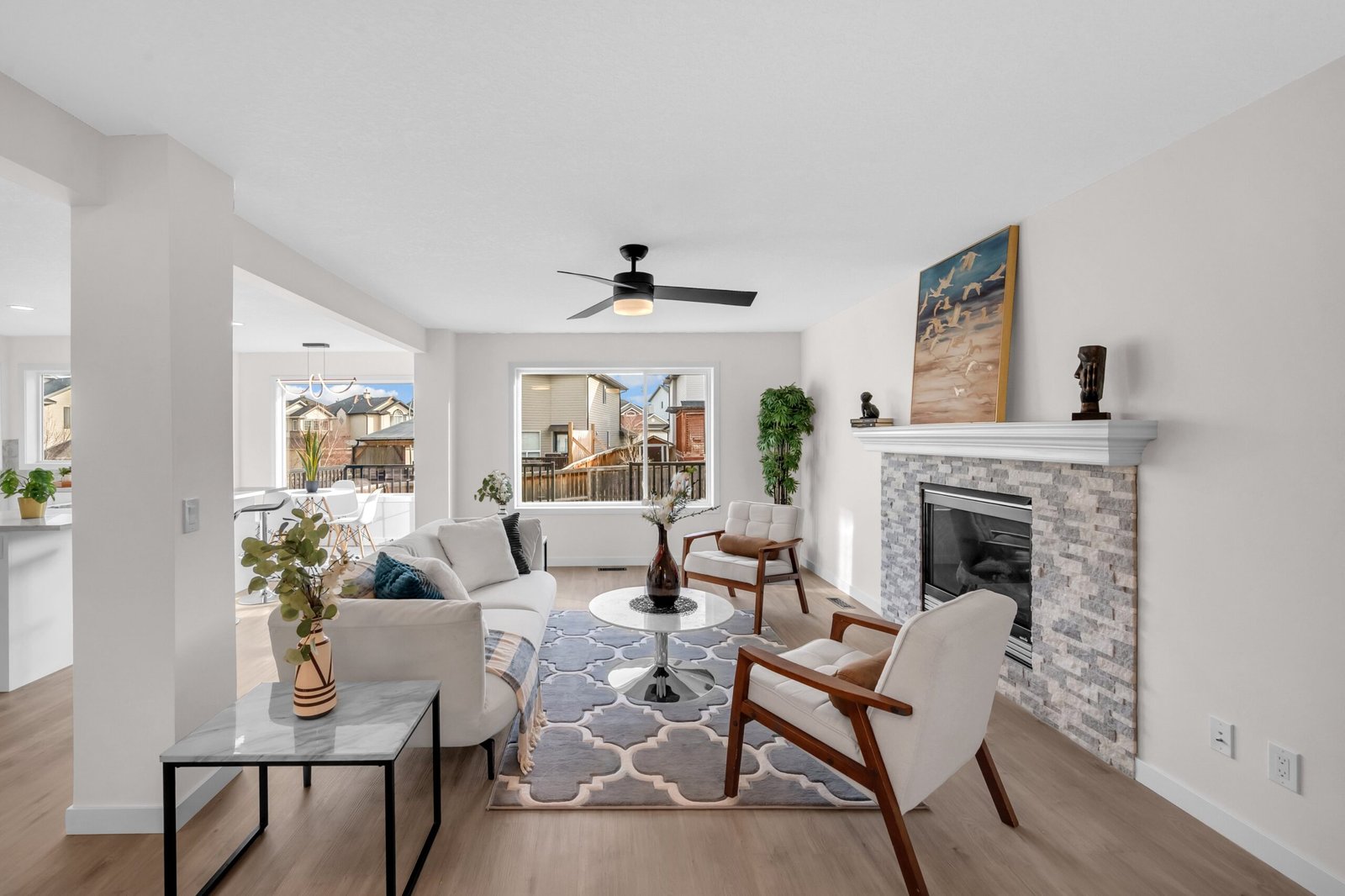
Rose and Fern Home Staging are continuing to go remote in 2026, which means many buyers want homes that support a work-from-home lifestyle. Features like an attractive office space, natural light, and flexible layouts have become must-haves. As a result, there is an opportunity to appeal to these buyers through home staging techniques.
Staging with remote work in mind helps buyers easily imagine how a home can comfortably support both living and working. Adding quiet work areas, smart tech setups, and multi-functional spaces can lead to faster sales and higher offers. In this post, we’re sharing how you can give your home an edge in today’s market.
Showcase a Dedicated Home Office
To start, it will be essential to highlight a dedicated home office. A spare bedroom, unused nook, or even a wide hallway alcove can be transformed into a stylish workspace. The goal is to help buyers immediately visualize where and how their work day will take place in the home. A well-staged home office signals that the property is ready for the modern way of working.
Highlight Productivity-Enhancing Features
Working remotely is about more than just a desk. Buyers want a workspace that boosts focus, comfort, and efficiency. Here’s how to emphasize key features that matter most to remote workers.
Natural Light
To maximize the home’s natural light, position desks perpendicular to windows to limit screen glare while keeping it bright. Light-filtering window treatments help soften harsh rays without dimming the space, and strategically placed mirrors can reflect light deeper into the room. Adjustable blinds or shades can help show how the space adapts throughout the day.
Technology Integration
Remote workers rely on seamless tech, so highlighting connectivity features is key. Display smart home devices, such as voice-activated assistants, lighting, or thermostats. Tasteful cable management tools and charging stations will keep the area clutter-free.
Noise Management
Effective noise management will be a non-negotiable for many. Stage offices in low-traffic areas of the home and point out insulation, thick rugs, or even acoustic panels that reduce noise. Simple staging cues like closed doors and defined boundaries help buyers see the space as a private retreat from distractions.
Storage Solutions
Tidy environments help foster focus, so make sure to highlight any extra storage. Use shelves, cabinets, or desk organizers to neatly display how the space can hold files, supplies, and tech accessories. Hidden storage, like ottomans, baskets, or drawer units, keeps things clean without sacrificing style.
Incorporate Alternative Workspaces
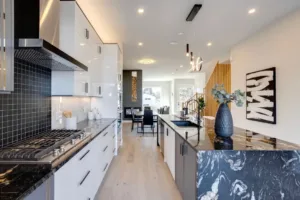
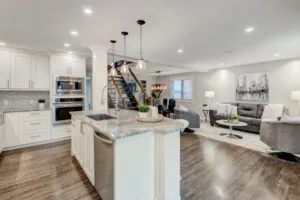
Homes that offer more than one functional workspace will be even more desirable. In addition to a main office, consider staging secondary areas like kitchen islands, window seats, or hallway nooks. Use lightweight furniture and smart layout choices to show how spaces can shift between work and personal use. Outdoor areas like patios or balconies can also be styled as alternative work zones.
Stage for a Work-Life Balance
Buyers want homes that promote productivity and personal well-being. That said, it’s important to stage with clear boundaries between work and living spaces. Consider using visual dividers, rugs, or strategic furniture placement to subtly define areas for time off the clock.
Color zoning, or using calming tones for work areas and warmer hues for relaxation, can help create that separation. Highlight how spaces can transition, such as a guest room with a foldaway desk or a dining area that doubles as a meeting space.




Leave a reply